

Municipal sewer systems are designed to operate efficiently and largely out of sight, but when sewer line blockages occur, the impact can be immediate and costly. Blocked sewer lines can lead to backups, overflows, roadway damage, and environmental concerns that require swift and informed action. For municipalities responsible for maintaining public infrastructure, understanding the causes of blockages and the proper approach to cleaning and prevention is essential to protecting system performance and public safety.
Understanding Sewer Line Blockages in Municipal Systems
Municipal sewer systems differ significantly from residential plumbing. They carry higher volumes, serve diverse users, and often rely on aging infrastructure installed decades ago. As systems age and usage increases, blockages become more frequent if proactive maintenance is not in place.
Sewer line blockages typically develop gradually, forming when materials accumulate, pipes deteriorate, or external forces disrupt normal flow. Identifying these issues early allows municipalities to address problems before they escalate into emergency repairs or regulatory violations.
Common Causes of Sewer Line Blockages
Fats, Oils, Grease, and Debris Accumulation
Fats, oils, and grease (FOG) enter municipal systems from residential, commercial, and industrial sources. Over time, these substances cool and solidify along the pipe walls. As buildup increases, grease traps debris and reduces pipe diameter, eventually restricting or stopping flow altogether.
Root Intrusion
Tree roots naturally seek moisture and often infiltrate sewer lines through joints or cracks. Once inside the pipe, roots expand, collect debris, and obstruct flow. Root intrusion is especially common in older systems with clay or concrete piping.
Sediment, Sand, and Gravel
Sediment can enter sewer systems through deteriorated pipes, compromised manholes, or stormwater inflow. Once inside, sand and gravel settle in low-flow areas, gradually reducing hydraulic capacity and contributing to blockages.
Structural Pipe Defects
Cracks, collapsed sections, misaligned joints, and corrosion all restrict flow within sewer lines. Structural defects cause blockages and allow groundwater infiltration, worsening system performance during wet weather.
Infiltration and Inflow
Excess groundwater or stormwater entering the sewer system increases flow volume and velocity. This added pressure can move debris through the system and overwhelm pipes, increasing the likelihood of sewer line blockages during rainfall events.
Improper Connections and System Misuse
Illegal connections, construction debris, and non-flushable materials entering the system contribute to recurring blockages. These issues often go unnoticed until a restriction causes a backup or overflow.
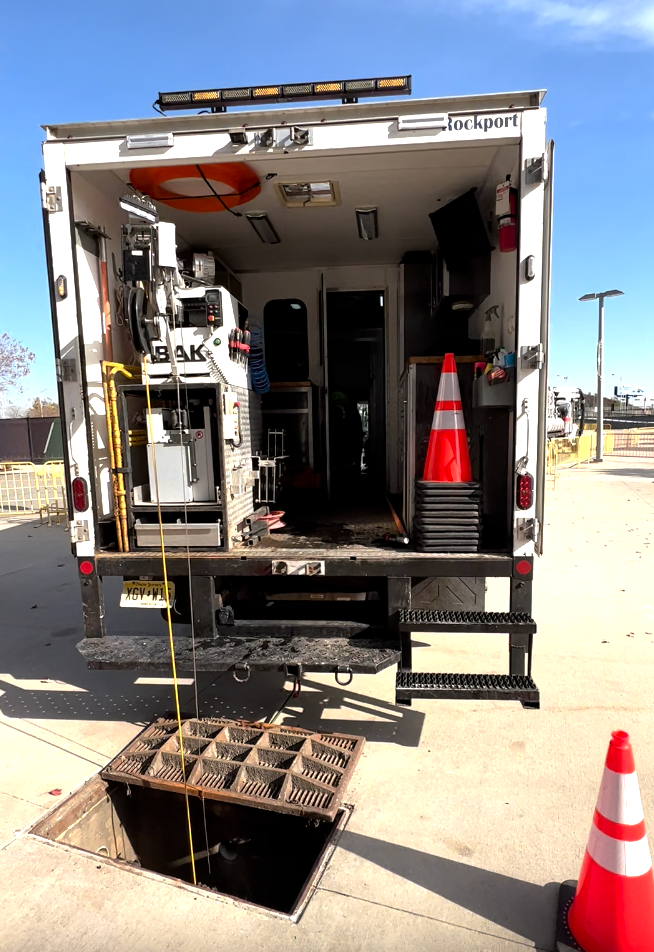
Sewer Line Cleaning Process
Addressing sewer line blockages requires a structured approach that prioritizes accuracy, safety, and long-term effectiveness.
Inspection and Assessment
The cleaning process typically begins with CCTV pipe inspection. High-resolution cameras are inserted into the sewer line to identify the blockage’s location, severity, and underlying cause. This allows municipalities to avoid unnecessary excavation and select the most effective cleaning method.
High-Pressure Water Jetting
Water jetting is the primary method used for municipal sewer cleaning. Specialized jetting equipment uses high-pressure water to remove grease, sediment, roots, and debris from pipe walls. This process restores full pipe diameter without damaging the infrastructure.
Mechanical Cleaning Methods
For severe root intrusion or hardened obstructions, mechanical tools such as cutters or chain flails may be used. These tools break apart tough materials and are often combined with water jetting for a thorough cleaning.
Debris Removal and Disposal
Removed material is safely extracted and disposed of in accordance with environmental and regulatory standards. Proper handling ensures compliance and protects downstream systems.
Post-Cleaning Verification
A follow-up CCTV inspection confirms that the blockage has been fully removed and identifies any structural defects that may require repair or rehabilitation.
Preventing Future Blockages
Preventive maintenance is one of the most effective ways municipalities can reduce the frequency of sewer line blockages. Routine inspections and targeted cleaning schedules help identify high-risk segments before failures occur. Monitoring areas prone to grease buildup, root intrusion, or sediment accumulation allows public works departments to allocate resources efficiently and extend the life of the system.
When inspections reveal recurring issues, rehabilitation methods such as lining or targeted repairs can further reduce long-term maintenance costs and system disruptions.
Montana Construction: Municipal Sewer System Professionals
Montana Construction is a family-owned and operated contractor with decades of experience supporting municipal sewer systems across New Jersey and Pennsylvania. Known for reliability, technical expertise, and responsive service, Montana Construction provides comprehensive sewer maintenance solutions tailored to the needs of public agencies.
Our municipal utility services include sewer cleaning, CCTV inspection, trenchless rehabilitation, emergency response, and full system repair. By combining advanced technology with experienced crews, Montana Construction helps municipalities address sewer line blockages efficiently while minimizing disruption to surrounding communities.To learn more about Montana Construction’s sewer maintenance services or to discuss an upcoming municipal project, visit montanaconstructioninc.com or contact our team today.

Sewer Line Blockage FAQs
What causes sewer line blockages in municipal systems?
Blockages are commonly caused by grease buildup, root intrusion, sediment accumulation, structural defects, and infiltration of stormwater or groundwater.
How do municipalities detect sewer line blockages?
CCTV inspections and flow monitoring are used to locate blockages and determine their cause without excavation.
What is the most effective method for sewer line cleaning?
High-pressure water jetting is the primary method for removing grease, debris, and roots from municipal sewer lines.
When are mechanical cleaning tools necessary?
Mechanical tools are used when blockages involve heavy root intrusion or hardened debris that water jetting alone cannot remove.
How often should sewer lines be cleaned?
Cleaning frequency depends on system condition, but high-risk areas benefit from routine maintenance schedules.
Can sewer line blockages be prevented?
Yes. Regular inspections, targeted cleaning, and proactive repairs significantly reduce the risk of recurring blockages.
Why work with Montana Construction?
They offer decades of municipal sewer experience, advanced inspection and cleaning capabilities, and dependable service for public infrastructure systems.