Underground infrastructure is the backbone of every community, but maintaining and repairing these systems can pose significant logistical challenges. Excavation-heavy sewer line repairs often result in traffic disruptions, damaged roadways, and high restoration costs, especially in densely developed areas. For municipalities and public agencies looking for a more efficient alternative, trenchless sewer repair provides a modern, minimally invasive solution that restores underground utilities while keeping communities running smoothly.
Understanding Trenchless Sewer Repair
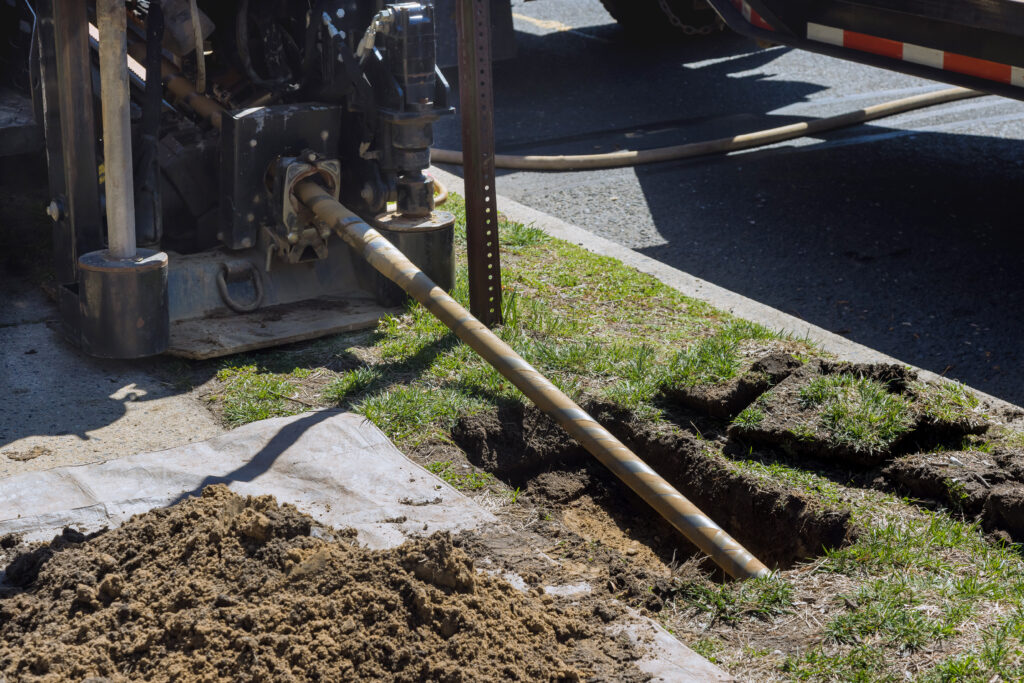
Trenchless sewer repair refers to a collection of advanced methods used to rehabilitate or replace existing underground sewer systems without extensive digging. Unlike traditional open-cut excavation, which requires large trenches and surface demolition, trenchless techniques utilize small access points, typically manholes or entry pits, to perform the repair below the surface.
The most common trenchless methods used in civil construction include:
- Cured-In-Place Pipe (CIPP) Lining: A resin-saturated liner is inserted into an existing pipe and cured in place, forming a new, seamless pipe within the old structure.
- Pipe Bursting: A conical bursting head fractures the existing pipe while simultaneously pulling a new pipe into position.
Both approaches eliminate the need for widespread excavation, preserving roads, sidewalks, and landscapes while restoring the pipeline’s structural integrity. For public infrastructure projects, the result is a durable, long-term repair performed with far less disruption to daily operations.
The Role of Trenchless Technology in Civil Construction
For municipalities and utilities, the disruption caused by infrastructure repair can be significant. Trenchless technology provides a practical and strategic benefit by handling critical repairs with minimal impact on the surrounding environment.
Trenchless sewer repair is particularly valuable for civil construction projects in urban or high-traffic areas where open excavation would be impractical or prohibitively expensive. Streets remain open, public access is maintained, and nearby utilities stay protected. This makes the technology an ideal choice for:
- Sewer mains running beneath highways, railways, and business districts
- Public facilities or campuses with limited access corridors
- Environmentally sensitive sites such as wetlands, parks, and waterfronts
By minimizing surface impact, municipalities can avoid extensive road reconstruction, traffic detours, and disruptions to essential services, all while extending the lifespan of their existing infrastructure.
Operational and Economic Advantages
Implementing trenchless sewer repair offers measurable advantages for public works departments and government-funded infrastructure programs.
- Reduced Excavation Costs: With less surface disturbance, there’s no need for large-scale digging, backfilling, or repaving, significantly lowering overall project costs.
- Accelerated Project Timelines: Trenchless repairs can be completed faster than traditional methods, reducing downtime for utilities and communities alike.
- Improved Worker and Public Safety: Fewer open trenches mean reduced exposure to hazards for both construction crews and pedestrians.
- Extended System Life: Modern trenchless materials, such as epoxy liners and HDPE replacement pipes, offer enhanced durability, corrosion resistance, and flow capacity.
- Environmental Preservation: By maintaining the existing surface and limiting heavy equipment use, trenchless methods help reduce emissions and protect surrounding ecosystems.
These benefits make trenchless technology a key component in sustainable infrastructure management. For budget-conscious municipalities, the ability to reduce restoration costs while improving reliability delivers long-term value.
Engineering Precision and Quality Control
Effective trenchless sewer repair relies on technical expertise, specialized equipment, and thorough pre-construction assessment. Before any work begins, engineers conduct closed-circuit television (CCTV) inspections to evaluate pipe condition, diameter, material type, and surrounding soil stability.
This diagnostic approach ensures that the appropriate trenchless method, whether CIPP lining, slip lining, or pipe bursting, is chosen for the project’s specific needs. During installation, crews monitor curing times, pressure levels, and alignment to maintain compliance with municipal specifications and industry standards such as ASTM F1216.
Post-repair verification through video inspection confirms that the rehabilitated section meets flow and performance criteria. These quality-control measures ensure each project’s integrity, longevity, and compliance with regulatory requirements, factors municipalities prioritize when selecting infrastructure partners.
Minimal Disruption, Maximum Efficiency
Beyond its technical strengths, trenchless sewer repair provides municipalities with a method of maintaining infrastructure while minimizing community impact. In dense or heavily trafficked regions, excavation can cause weeks of lane closures, detours, and public inconvenience. Trenchless techniques, however, typically require only small entry and exit pits, often completed within a matter of days rather than weeks.
This efficiency allows agencies to coordinate work around peak traffic hours or critical municipal operations, ensuring that water and sewer systems remain fully functional during the process. The reduced footprint also translates into less noise, dust, and heavy equipment presence, an important consideration for schools, hospitals, and public institutions located near work zones.
For city planners and public works officials, the ability to execute essential repairs discreetly and quickly strengthens public trust and operational continuity.
Sustainability and Long-Term Infrastructure Planning
Sustainability is increasingly central to municipal infrastructure strategy, and trenchless sewer repair supports these objectives through reduced waste and resource conservation. By rehabilitating existing pipelines rather than removing and replacing them, trenchless methods significantly cut material consumption and landfill waste.
Additionally, the restored pipelines often exceed the performance of the originals, improving flow efficiency and reducing the likelihood of future failures. For local governments working within tight budgets, this means more miles of pipe can be repaired each year without expanding the capital improvement plan.
Trenchless rehabilitation also integrates seamlessly with other asset management programs, enabling municipalities to prioritize maintenance based on data, condition assessments, and lifecycle costs.
Montana Construction: Experience Below the Surface
With decades of experience in civil infrastructure and utility construction, Montana Construction has built a reputation for quality, reliability, and innovation throughout New Jersey and Pennsylvania. The company’s expertise extends across complex water, sewer, and storm system projects for municipal, county, and state agencies.
Montana Construction’s approach to trenchless sewer repair reflects its commitment to precision, safety, and environmental stewardship. Each project is managed by a skilled team that understands the unique challenges of working in public right-of-way environments and densely developed areas. From pre-construction planning to post-installation verification, Montana’s crews operate with a focus on compliance, minimal disruption, and lasting results.
As municipalities seek smarter, more efficient ways to maintain critical infrastructure, Montana Construction continues to provide forward-thinking solutions that combine cutting-edge technology with dependable field expertise. Whether repairing aging sewer mains or rehabilitating complex utility networks, Montana Construction remains a trusted partner in keeping essential systems strong and sustainable for generations to come.
To learn more about Montana Construction’s trenchless sewer repair and other infrastructure rehabilitation services, visit montanaconstructioninc.com or contact the team directly to discuss upcoming municipal projects.