

Managing and maintaining underground infrastructure is one of the most complex challenges facing municipalities and public agencies today. Aging sewer systems, storm drains, and buried utilities demand regular monitoring to ensure they continue to perform safely and efficiently. Traditional inspection methods often require excavation or guesswork, both of which can be costly and disruptive. CCTV pipe inspections can be a more effective solution. This advanced, non-invasive technology allows for precise visual assessment of underground systems, helping municipalities identify issues early, plan maintenance efficiently, and avoid unexpected failures.
What Are CCTV Pipe Inspections?
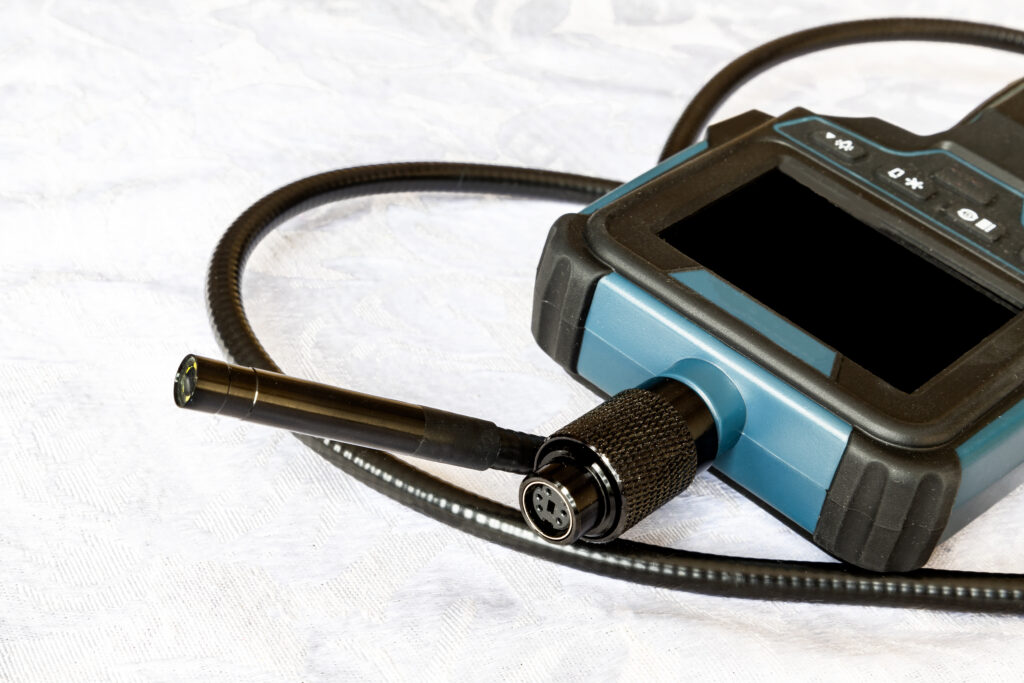
CCTV (Closed-Circuit Television) pipe inspections are a modern diagnostic tool used to evaluate the internal condition of underground pipelines. The process involves inserting a high-resolution camera mounted on a robotic crawler directly into a pipe or conduit. As the camera moves through the system, it transmits live video footage to trained technicians above ground, allowing them to assess the pipe’s condition in real time.
These inspections provide clear visuals of internal issues that are otherwise hidden from view, such as:
- Cracks or fractures in the pipe wall
- Root intrusions
- Corrosion or scaling
- Joint separations and misalignments
- Infiltration or inflow from groundwater
- Obstructions or buildup affecting flow
Because it’s a non-destructive method, CCTV inspection doesn’t require digging or surface disruption. This makes it an ideal choice for municipalities and utilities seeking a safer, more efficient way to monitor and maintain vital infrastructure.
The Inspection Process
CCTV pipe inspections are both precise and highly efficient. They are typically performed using the following steps:
- Accessing the Pipeline: Technicians insert a camera-equipped crawler into the pipe via a manhole or designated access point.
- Navigating the Line: The crawler, powered by a tethered cable, travels through the pipe capturing continuous video as it moves.
- Recording and Analysis: Real-time footage is monitored by technicians who log the location, type, and severity of any defects.
- Data Collection and Reporting: The footage and data are compiled into a detailed inspection report, complete with video clips and condition grades.
This visual record enables engineers to evaluate the pipe’s structural integrity, identify maintenance needs, and determine the most effective repair methods—whether cleaning, lining, or replacement.
Many inspection systems can be integrated into GIS (Geographic Information System) platforms, allowing municipalities to map and manage their underground assets with greater accuracy and efficiency.
The Role of CCTV Inspections
For municipalities, sewer authorities, and utility departments, CCTV pipe inspections serve multiple critical purposes beyond problem detection. They form a foundation for proactive infrastructure management, allowing public agencies to make informed decisions about where to allocate resources and when to intervene.
CCTV inspections are commonly used to:
- Assess system condition: Identify structural or operational defects before they escalate.
- Plan maintenance and rehabilitation: Determine which sections require cleaning, repair, or full replacement.
- Verify post-construction quality: Confirm that newly installed or rehabilitated pipes meet project specifications.
- Support regulatory compliance: Provide visual documentation required for state and federal reporting.
- Reduce emergency response costs: Detecting minor issues early prevents major failures that demand immediate, expensive intervention.
By shifting from reactive maintenance to proactive asset management, municipalities can extend the life of their infrastructure while reducing annual operating costs.
Key Benefits of Inspections
Accurate, Real-Time Data
CCTV inspections provide clear, objective visuals of pipeline interiors. This data enables engineers and decision-makers to understand the exact condition of each asset—no assumptions, no guesswork.
Reduced Excavation and Restoration Costs
Because the process is non-invasive, it eliminates the need to dig up streets or sidewalks for inspection. Municipalities can evaluate underground systems without disrupting traffic or damaging public property.
Improved Safety
Hydraulic, sewer, and storm systems often run beneath busy roads or confined spaces. CCTV technology removes the need for manual entry, minimizing worker exposure to hazardous environments.
Cost Efficiency and Resource Optimization
Visual data allows maintenance budgets to be spent strategically. Agencies can target only the sections that require repair, avoiding unnecessary excavation or replacement.
Enhanced Recordkeeping and Compliance
Each inspection generates a digital record, complete with video, images, and condition reports that can be stored for future reference, regulatory submissions, and engineering planning.
Long-Term Infrastructure Planning
Inspection results help engineers prioritize projects based on condition severity. This supports effective capital improvement planning and ensures the most critical assets are addressed first.
Common Applications for Municipal and Public Projects
CCTV inspections are widely used across all types of public infrastructure projects, from large-scale utility systems to local sewer networks. Common applications include:
- Routine Sewer and Storm Drain Maintenance: Regular inspection programs help identify deterioration before failures occur.
- Pre-Construction Surveys: Establish baseline conditions before new installations, utility crossings, or road projects.
- Post-Repair Verification: Confirm that lining, grouting, or replacement work meets contract specifications.
- Emergency Assessments: Quickly locate the cause and extent of blockages or collapses after a failure event.
- Regulatory and Environmental Compliance: Provide required documentation for wastewater management and environmental oversight agencies.
Because every project is different, Montana Construction tailors its inspection approach to fit the size, material, and condition of each system, ensuring reliable data collection across diverse municipal environments.
Why CCTV Pipe Inspections Are a Smart Investment
Investing in CCTV pipe inspections helps municipalities transition from reactive maintenance to a sustainable, data-driven model. By knowing exactly what’s happening beneath the surface, public works departments can:
- Prevent unexpected service disruptions.
- Reduce repair and restoration costs.
- Plan more efficient maintenance cycles.
- Protect public safety and environmental quality.
Over time, the data gathered from inspections forms the foundation of a city’s asset management strategy, informing long-term decisions about budgeting, rehabilitation, and system upgrades. It’s a cost-effective way to gain visibility into one of the most critical yet least accessible parts of municipal infrastructure.
Experts in Underground Infrastructure and Inspection Services
With decades of experience in civil construction, utility infrastructure, and public works repair, Montana Construction is a trusted partner for municipalities across New Jersey and Pennsylvania. Our CCTV pipe inspection services are designed to deliver accurate, actionable data that supports efficient infrastructure management and regulatory compliance.
Montana Construction uses state-of-the-art robotic camera systems operated by trained technicians to identify problems before they lead to costly failures. Each inspection is documented in detailed reports that help engineers and municipal officials make informed, cost-effective maintenance decisions.
Beyond inspection, Montana Construction provides end-to-end solutions, from condition assessment and cleaning to repair, rehabilitation, and replacement. Our focus on safety, efficiency, and precision ensures every project meets the highest industry standards while minimizing public disruption.
For municipalities committed to maintaining safe, reliable, and sustainable infrastructure, Montana Construction brings the expertise, technology, and experience needed to see every project through to success.
To learn more about CCTV pipe inspection services and how they can benefit your municipal infrastructure, schedule a consultation today.

CCTV Pipe Inspection FAQs
What are CCTV pipe inspections?
CCTV pipe inspections use high-resolution cameras to visually assess underground pipelines, identifying cracks, blockages, and other defects without excavation.
How do CCTV pipe inspections work?
A camera-equipped crawler is inserted into a pipe through a manhole. It transmits live video to technicians who record and analyze the pipe’s condition.
Why are CCTV inspections important for municipalities?
They provide accurate, real-time data to help municipalities plan maintenance, prevent failures, and make informed infrastructure investment decisions.
What types of systems can be inspected using CCTV technology?
They are ideal for sanitary sewers, storm drains, culverts, and other municipal pipelines that require routine assessment or diagnostics.
Can CCTV pipe inspections detect leaks or infiltration?
Yes. They can pinpoint areas where groundwater or debris is entering the system, allowing for targeted and efficient repairs.
How often should municipal pipelines be inspected?
Inspection frequency depends on system age and condition, but regular CCTV assessments, typically every few years, help prevent major failures and costly emergencies.
What are the main advantages of CCTV pipe inspections over traditional methods?
They reduce excavation, save time, improve safety, and provide precise visual data for smarter infrastructure management.
Why choose Montana Construction for CCTV pipe inspections?
Montana Construction combines decades of civil construction experience with advanced inspection technology, delivering reliable results for municipal infrastructure systems.