
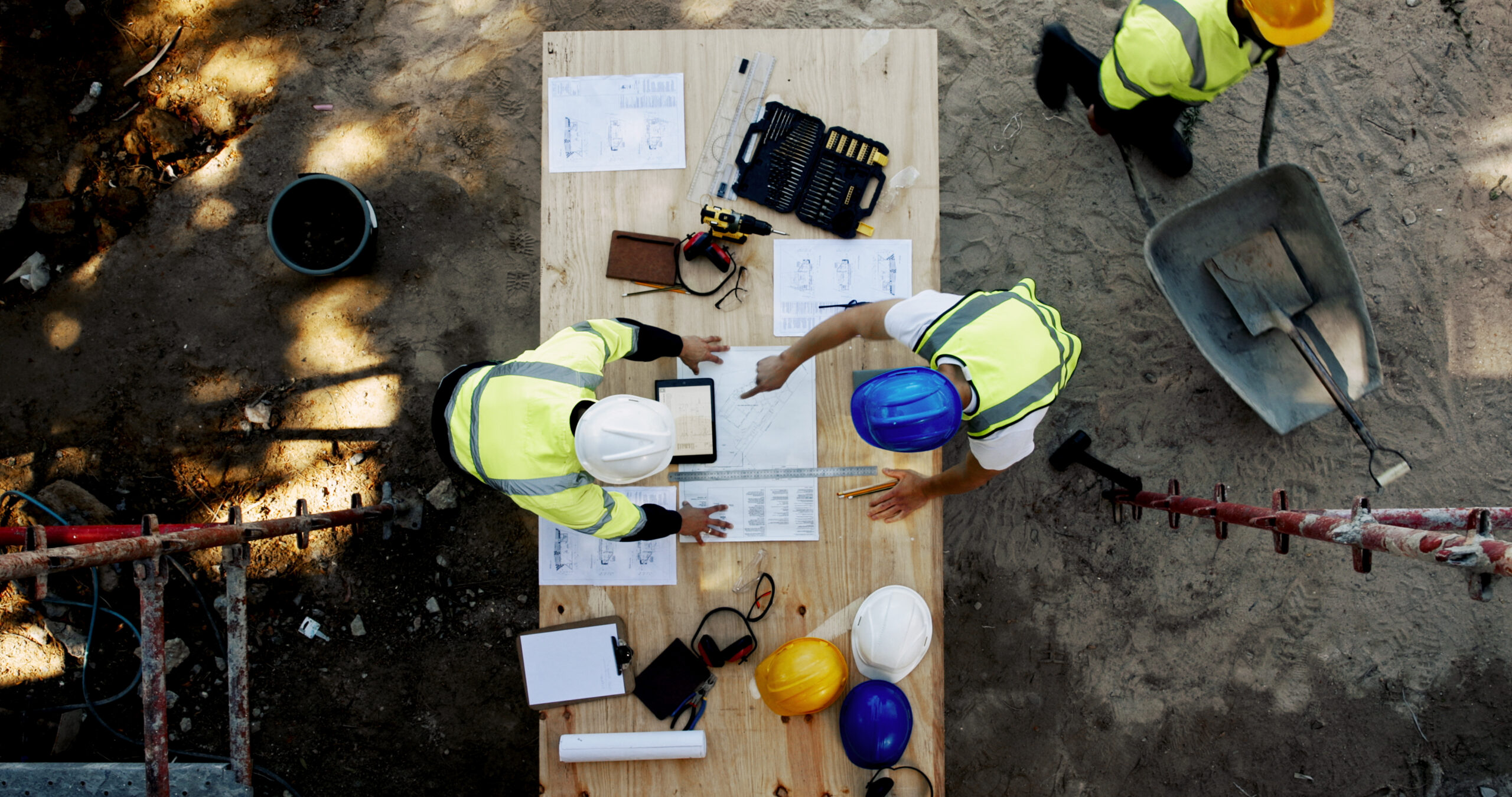
Before construction can begin on a new municipal facility, utility project, parking lot, or other public improvement, the site must be properly developed. That said, what is site development? It is the process of transforming a property into a construction-ready site through clearing, excavation, grading, underground utility installation, drainage improvements, and other essential groundwork. Each stage builds on the last, creating the conditions needed for the rest of the project to move forward efficiently.
The Importance of Proper Site Development
Municipal site development can be particularly complex and it involves much more than clearing a property and moving dirt. Existing infrastructure, drainage requirements, utility connections, neighboring properties, and site access all need to be considered.
Careful planning and coordination at the beginning of a project can make a significant difference as construction progresses. Each phase must be completed in the proper sequence, so underground infrastructure and surface improvements work together as intended.
For municipalities, proper site preparation is important for several reasons:
- Site stability: Excavation, grading, backfilling, and compaction create stable conditions for buildings, parking lots, sidewalks, and other improvements.
- Effective drainage: A site must be shaped and equipped to manage stormwater. Proper grading and drainage infrastructure help direct water toward the appropriate collection and conveyance systems.
- Utility access: Water, sewer, stormwater, and other underground systems must be installed in the right locations and coordinated with the improvements planned above them.
- Project efficiency: Performing each phase in the right order can help avoid unnecessary excavation or rework. For example, underground infrastructure generally needs to be completed before installing permanent surface improvements.
- Long-term performance: Much of the work that supports a finished site eventually becomes hidden below ground. Proper preparation provides a strong starting point for infrastructure that municipalities will depend on well after construction is complete.
When answering the question “What is site development?” – it’s not a single construction service, but a coordinated process that prepares an entire property for its intended use.
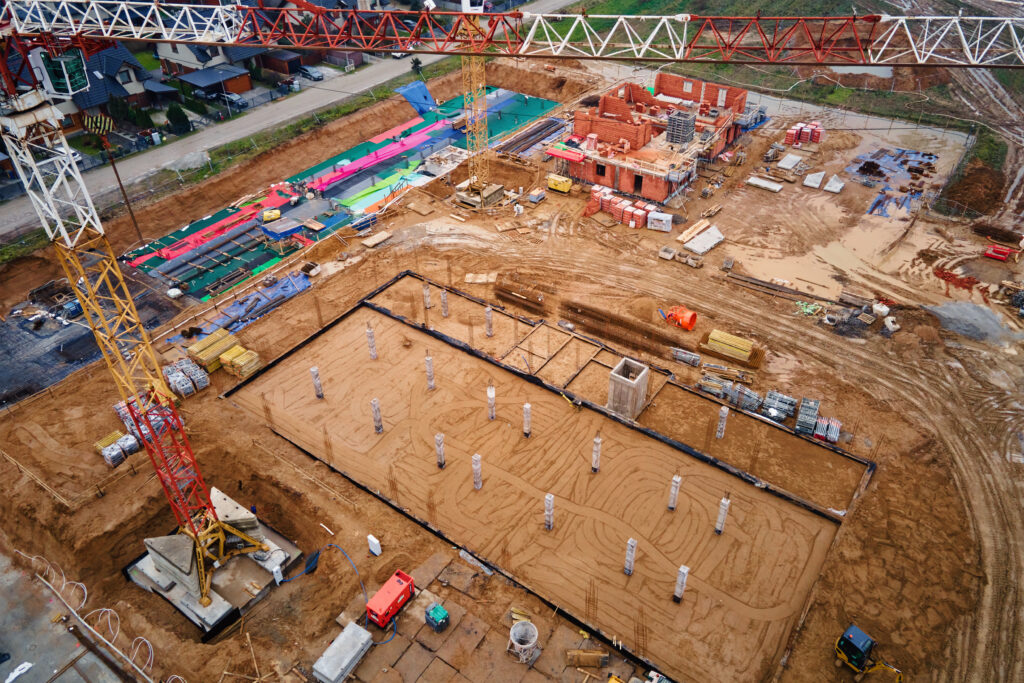
What Is Site Development? Understanding the Process
Every property is different, so the exact scope and sequence will depend on the project plans, existing conditions, and infrastructure involved. However, civil site development typically includes several major stages.
Site Evaluation and Planning
Before heavy equipment begins excavation, contractors need to understand the conditions they will be working with. This includes reviewing construction plans, elevations, access points, existing infrastructure, proposed utilities, and other project requirements.
Early planning also helps determine how different operations will be sequenced. Contractors can evaluate equipment access, material needs, excavation areas, and how underground work will interact with buildings, parking areas, drainage systems, and other improvements.
For municipal projects, this preparation is especially important when construction takes place around existing utilities, public facilities, neighborhoods, or other active areas.
Site Clearing and Preparation
Once the project is ready to move forward, crews must prepare the physical site for construction. Depending on existing conditions, this may involve removing vegetation, debris, old pavement, structures, or other materials within the work area.
Site clearing gives crews the room needed to begin excavation and earthwork. It can also create access for construction equipment and establish designated areas for the work that follows.
Not every project requires extensive clearing, but the objective is the same: create a workable site where construction can proceed according to the project plans.
Excavation and Earthwork
Excavation changes the existing site to accommodate the infrastructure being constructed. Crews may remove soil to reach specified depths for utilities, foundations, drainage systems, parking areas, or other improvements.
Earthwork can involve several activities depending on the project, including:
- Removing material: Soil or other existing material may need to be excavated from areas where infrastructure or other improvements will be installed.
- Moving material: Suitable material can sometimes be relocated elsewhere on the site as elevations are adjusted.
- Adding material: Certain areas may require additional material to achieve the elevations and conditions specified in the plans.
Excavation must remain coordinated with underground utility work, grading, drainage, and equipment access throughout the site.
Grading
Grading establishes the slopes and elevations needed across the property. Although the finished surface may look relatively simple, achieving the correct grade is an important part of preparing the site.
Proper grading establishes elevations for buildings, parking lots, sidewalks, landscaped areas, and other improvements while also influencing how stormwater moves across the property.
For municipal projects, grading must work together with the drainage design. Water needs to be directed toward the appropriate inlets, catch basins, or other stormwater infrastructure rather than collecting in unintended areas.
Underground Utility Installation
Underground infrastructure is a major component of many civil site development projects. Depending on the scope, crews may install or replace water, sanitary sewer, stormwater, and other utility systems.
This phase may include:
- Water mains and service lines: These systems distribute water throughout the project area and provide necessary connections.
- Sanitary sewer lines: Sewer infrastructure carries wastewater through underground piping to the appropriate system.
- Stormwater piping: Underground drainage pipes help convey runoff collected throughout the site.
- Drainage structures: Catch basins, manholes, and related structures provide collection points and access to underground systems.
Because these systems are installed beneath future surface improvements, coordination is essential. Completing utility work at the right stage reduces the need to disturb finished areas later in the project.
Stormwater and Drainage Infrastructure
Stormwater management is closely connected to both grading and underground utility installation. As a site changes, contractors need to construct the drainage components included in the project plans.
Storm drains, piping, catch basins, manholes, and related structures work together to collect and convey runoff. The surrounding grade must then direct water toward these systems.
Addressing drainage during site development helps the property manage water once buildings, parking lots, sidewalks, and other impervious surfaces are complete.
Backfilling and Compaction
After installing underground infrastructure, open excavation sites must be properly backfilled. Appropriate material is placed around and above utilities according to project requirements.
Compaction is an important part of this stage because the areas above underground infrastructure may eventually support parking lots, sidewalks, buildings, landscaped areas, or other improvements. Proper backfilling and compaction help establish a stable foundation for the work that follows.
Parking Lot and Pavement Preparation
When a project includes parking lots or other paved areas, the ground beneath the finished surface needs to be properly prepared. This can include establishing the subgrade and placing the required base materials.
This preparation provides the foundation for the finished pavement. Elevations and slopes also need to correspond with surrounding drainage infrastructure, so water can move toward the appropriate collection points.
By this stage, crews have already completed much of the underground work, allowing them to shift their attention to the visible portions of the site.
Paving and Final Site Improvements
Paving is often one of the later stages of site development. Once major underground construction and earthwork are complete, crews can finish parking lots, access areas, and other paved surfaces included in the plans.
Final grading and remaining improvements bring the different phases together. At this point, the earlier work—from excavation and utility installation to drainage and compaction—provides the foundation for the completed site.
Why Experience Matters in Site Development
To answer the question, “What is site development?”, it helps to understand how closely connected its phases are. Excavation affects utility installation. Utilities affect backfilling and compaction. Grading affects drainage. All of these elements can influence the buildings, parking lots, sidewalks, and other improvements constructed above or around them.
That makes coordination an important part of the job.
A civil construction contractor with experience across multiple phases of site work can approach the project as one connected operation rather than a collection of unrelated tasks. Crews need to understand what comes next and how today’s work can affect future stages.
Experience is also valuable when construction takes place around existing municipal infrastructure. Developed sites may already contain water, sewer, stormwater, and other utilities that must be considered as new improvements are constructed.
Expert Civil Construction Site Development
At Montana Construction, we know the answer to “What is site development? and have the experience to back it up. Successful civil construction begins well before a finished site takes shape. We provide site development services that address work above and below ground, helping municipalities move projects from initial site preparation through later phases of construction.
Our civil construction capabilities allow us to coordinate multiple parts of the site development process, including excavation, grading, underground utilities, water and sewer infrastructure, stormwater systems, parking lot preparation, and paving. By approaching these services as connected parts of the overall project, we can keep our crews focused on what needs to happen at each stage.
If your municipality is preparing for an upcoming civil construction project, contact us to discuss your site development needs and learn more about how Montana Construction can help take the project from the ground up.

Site Development FAQs
What is site development?
Site development prepares property for construction through activities such as clearing, excavation, grading, utility installation, drainage work, compaction, and paving.
Why is site development important for municipal projects?
It establishes the site conditions and infrastructure needed to support utilities, drainage systems, parking areas, buildings, and other public improvements.
What utilities can be installed during site development?
Depending on the project, underground work can include water mains, service lines, sanitary sewer lines, stormwater piping, manholes, catch basins, and related infrastructure.
Why is grading part of site development?
Grading establishes the required elevations and slopes across the property and directs stormwater to the appropriate drainage infrastructure.
When is paving completed during site development?
Paving generally occurs after major underground utility work, excavation, backfilling, compaction, and grading are complete.
Why is compaction important after utility installation?
Compaction helps establish stable conditions above underground infrastructure for parking lots, sidewalks, and other site improvements.
Can one civil contractor handle multiple phases of site development?
Yes. A contractor with capabilities in excavation, utilities, drainage, grading, site preparation, and paving can coordinate multiple phases of the overall project.