
A reliable stormwater management system is essential for controlling runoff, preventing flooding, and protecting public infrastructure. However, aging pipes, clogged drains, and changing drainage conditions can make it difficult for municipalities to manage stormwater effectively. If these issues go unaddressed, they can cause property damage, safety hazards, and costly infrastructure repairs. Understanding the most common challenges and how to address them can help municipalities maintain functional drainage systems and plan necessary improvements.
Common Stormwater Management System Challenges
Municipal stormwater infrastructure includes underground pipes, catch basins, manholes, and other drainage structures that work together to collect and transport runoff. When one component becomes damaged or obstructed, it can affect the performance of the surrounding system.
Clogged Catch Basins and Storm Drains
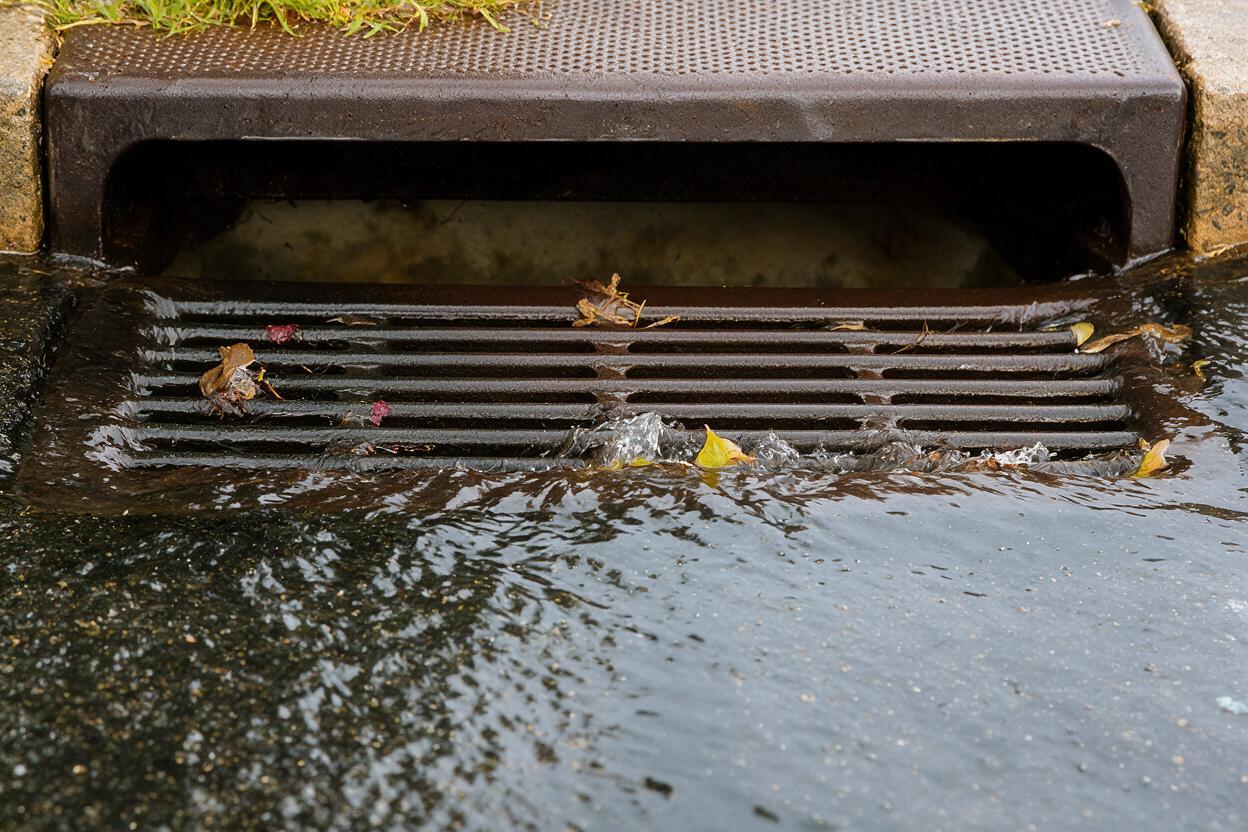
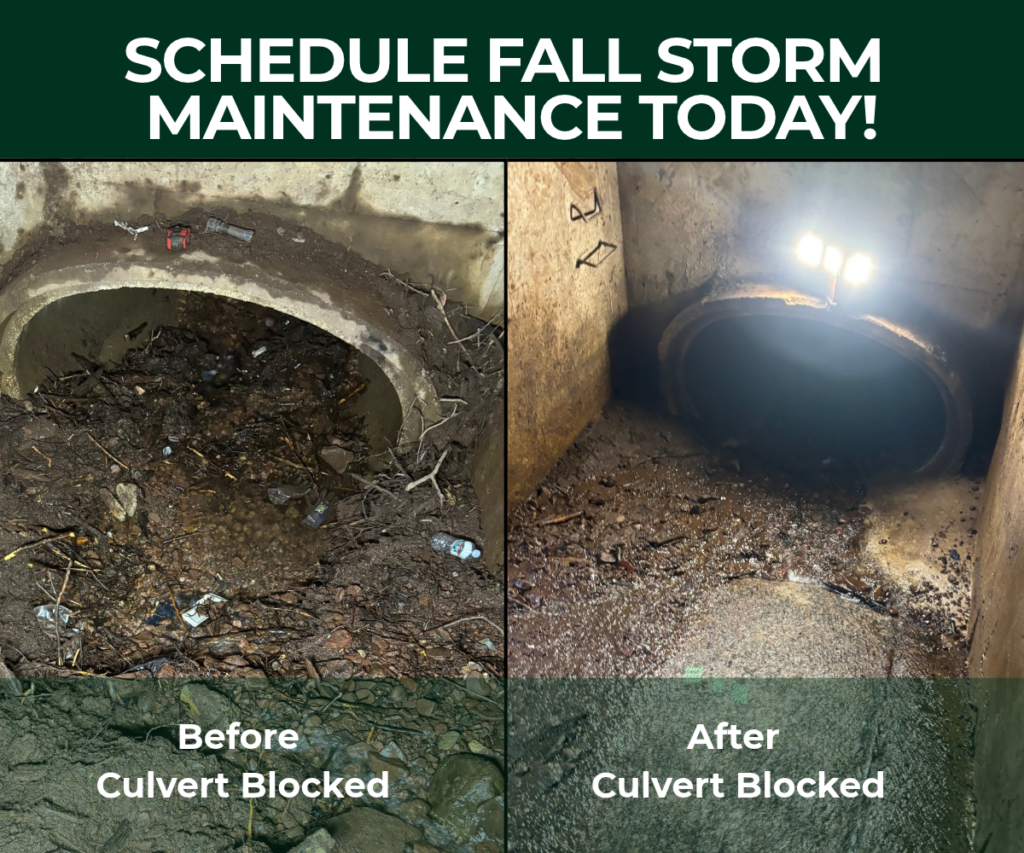
Catch basins and storm drains collect runoff and direct it into underground drainage pipes. Over time, leaves, trash, sediment, and other debris can accumulate inside these structures, restricting how much water can enter the system.
During heavy rainfall, blocked inlets may prevent runoff from draining quickly enough. Water can begin collecting around public facilities, parking lots, and other developed areas.
Potential hazards include standing water, localized flooding, property damage, and added strain on nearby drainage infrastructure.
Aging and Deteriorating Underground Pipes
Stormwater pipes are exposed to changing soil conditions, moisture, and other environmental factors throughout their service life. Depending on the pipe material and surrounding conditions, deterioration may include corrosion, cracking, joint separation, or structural weakening.
Damaged pipes can allow water to escape into the surrounding soil or permit soil to enter the drainage system. In more severe cases, sections of piping may collapse, preventing water from passing through.
Potential hazards include underground erosion, soil settlement, sinkholes, drainage failures, and damage to nearby infrastructure.
Insufficient Drainage Capacity
A drainage system designed decades ago may no longer handle the runoff it receives today.
New buildings, parking lots, and other impervious surfaces can increase runoff by reducing how much rainwater soaks into the ground. As more water enters existing drainage infrastructure, pipes and structures may reach their capacity during heavy storms.
When this happens repeatedly, municipalities may need to evaluate whether the existing system is adequately sized for current conditions.
Potential hazards include recurring flooding, overwhelmed drainage structures, and water accumulating in areas that previously drained properly.
Sediment Buildup
Soil, sand, and other sediment can enter stormwater infrastructure through drainage inlets or damaged underground pipes.
As these materials accumulate, they reduce the space available for water to move through the system. Sediment can also collect in catch basins and manholes, making routine maintenance harder.
Unlike a sudden debris blockage, sediment buildup can develop gradually and go unnoticed until drainage performance declines.
Potential hazards include restricted water flow, recurring backups, increased maintenance requirements, and reduced drainage capacity.
Damaged or Settling Catch Basins and Manholes
Catch basins and manholes provide essential collection points and access to underground stormwater infrastructure. However, these structures can deteriorate or shift over time.
Cracks, damaged connections, and movement in the surrounding soil can compromise their structural condition. When water escapes through damaged areas, it can gradually wash away nearby soil and contribute to settlement.
Potential hazards include soil erosion, surface depressions, structural instability, and damage to surrounding improvements.
Poor Grading and Improper Drainage
Even when underground infrastructure is functioning properly, surface conditions can prevent runoff from reaching drainage inlets.
Changes in ground elevation, settlement, or poorly planned site improvements may cause water to collect in low areas. In some cases, runoff may be directed toward buildings or other areas that weren’t intended to receive it.
Potential hazards include persistent standing water, erosion, localized flooding, and damage to public property.
Unexpected Infrastructure Failures
Some stormwater problems develop gradually, while others happen suddenly and require immediate attention.
A collapsed underground pipe, severely damaged drainage structure, or major blockage can interrupt drainage with little warning. These failures may become particularly noticeable during heavy rainfall when large volumes of runoff enter the system.
Potential hazards include sudden flooding, ground instability, damage to public infrastructure, and the need for emergency repairs.
Stormwater Management System Solutions
Not every drainage issue requires replacing the entire system. The appropriate solution depends on the condition of the infrastructure, the cause of the problem, and whether the existing system can continue meeting the municipality’s needs.
Conduct Regular Inspections
Routine inspections help municipalities identify drainage problems before they worsen.
Catch basins, manholes, and accessible drainage structures should be evaluated for visible damage, debris accumulation, and signs of deterioration. Underground pipe inspections may also be necessary when problems can’t be identified from the surface.
By thoroughly evaluating the condition of existing infrastructure, municipalities can determine which areas need maintenance, repairs, or replacement.
Clean and Maintain Drainage Infrastructure
Regular cleaning helps prevent debris and sediment from restricting stormwater flow.
System maintenance may include removing accumulated material from catch basins, clearing blocked inlets, and, when necessary, cleaning underground drainage pipes.
Municipalities can also prioritize areas with recurring drainage problems or higher debris accumulation. Establishing a consistent maintenance schedule helps preserve drainage capacity and reduce preventable blockages.
Repair or Replace Damaged Pipes
When underground stormwater pipes are cracked, deteriorated, or collapsed, repairs or replacement may be necessary to restore proper drainage.
The appropriate method depends on the type and extent of damage, pipe condition, and accessibility. Some projects require excavation to expose the affected section, remove damaged materials, and install replacement piping.
After installation, crews backfill and restore the surrounding area per project specifications.
Addressing damaged pipes can help prevent continued soil erosion and further deterioration of nearby infrastructure.
Upgrade Undersized Drainage Systems
Municipalities experiencing repeated capacity-related flooding may need improvements beyond routine maintenance.
Engineers can evaluate the existing infrastructure and determine whether additional capacity or changes to the drainage layout are necessary.
Depending on the findings, improvements may involve replacing undersized pipes, installing additional drainage structures, or modifying connections within the existing system.
These upgrades should be designed around current runoff conditions and applicable engineering requirements.
Repair or Replace Catch Basins and Manholes
Damaged drainage structures may require rehabilitation or complete replacement, depending on their condition.
When replacement is necessary, crews excavate around the existing structure, remove deteriorated components, prepare the installation area, and connect the new structure to the surrounding piping.
Proper backfilling and restoration are also important for maintaining the stability of the surrounding area.
Keeping catch basins and manholes in good condition supports drainage performance and provides access for future inspections and maintenance.
Improve Site Grading
When stormwater consistently collects in the wrong areas, municipalities should evaluate surface elevations and drainage patterns.
Grading improvements can help direct runoff toward existing or newly installed collection points. Depending on site conditions, this work may involve adjusting elevations, preparing drainage areas, or coordinating grading with underground infrastructure improvements.
Any changes should follow a drainage design to avoid shifting runoff problems elsewhere.
Develop a Long-Term Maintenance Plan
A proactive maintenance plan helps municipalities make informed decisions about their stormwater infrastructure.
Instead of waiting for failures, municipalities can set inspection schedules, document recurring issues, and prioritize improvements based on infrastructure condition.
A long-term plan may include:
- Routine Inspections: Evaluate drainage structures and underground infrastructure to identify maintenance needs and developing problems.
- Scheduled Cleaning: Remove sediment and debris before significant blockages affect drainage performance.
- Repair Prioritization: Address damaged or deteriorating infrastructure based on its condition and the potential hazards it presents.
- Infrastructure Planning: Identify systems that may require replacement or capacity improvements as community needs change.
This approach helps municipalities plan maintenance activities, allocate resources, and reduce the likelihood of unexpected failures.
Work With an Experienced Civil Construction Contractor
Many stormwater improvements require more than cleaning or routine maintenance. Underground pipe replacement, drainage structure installation, excavation, grading, and site restoration may all be necessary to address larger infrastructure problems.
Working with a contractor experienced in municipal infrastructure helps ensure these activities are properly coordinated.
A contractor that provides multiple civil construction services can also help maintain continuity between excavation, installation, backfilling, and restoration.
Maintain Your Stormwater Infrastructure
At Montana Construction, we understand the challenges municipalities face when maintaining and improving stormwater infrastructure. Our heavy civil construction experience includes underground drainage systems, stormwater piping, catch basin and manhole installation or replacement, excavation, and site development.
We provide services for planned infrastructure improvements, damaged utility replacements, and drainage projects that require coordinated construction work. Our team understands the importance of working around existing infrastructure while maintaining safety, quality, and project specifications.
Whether your municipality needs to replace deteriorating pipes, install new drainage structures, or improve an existing stormwater management system, we’re ready to help. Contact Montana Construction to discuss your upcoming stormwater infrastructure project.
Stormwater Management System FAQs
What are the most common municipal stormwater drainage problems?
Common problems include clogged catch basins, sediment buildup, deteriorating underground pipes, damaged drainage structures, insufficient capacity, and improper grading.
What happens when a stormwater pipe deteriorates?
A deteriorating pipe may develop cracks, leaks, or structural damage that restricts drainage, allows soil erosion, or contributes to ground settlement.
How can municipalities prevent storm drain blockages?
Routine inspections and scheduled cleaning help remove leaves, sediment, trash, and other debris before they significantly restrict water flow.
When should stormwater pipes be replaced?
Replacement may be necessary when pipes are severely deteriorated, collapsed, or no longer functioning properly. The appropriate solution depends on the condition and extent of the damage.
Can poor grading cause flooding even when storm drains are working?
Yes. Improper surface elevations can prevent runoff from reaching drainage inlets, causing water to collect in low areas.
How can municipalities address recurring stormwater flooding?
Municipalities can evaluate drainage capacity, inspect existing infrastructure, remove blockages, and consider pipe replacements, additional drainage structures, or grading improvements.
Why is long-term stormwater maintenance important?
Regular maintenance helps identify developing problems, preserve drainage capacity, prioritize repairs, and reduce the risk of unexpected infrastructure failures.