
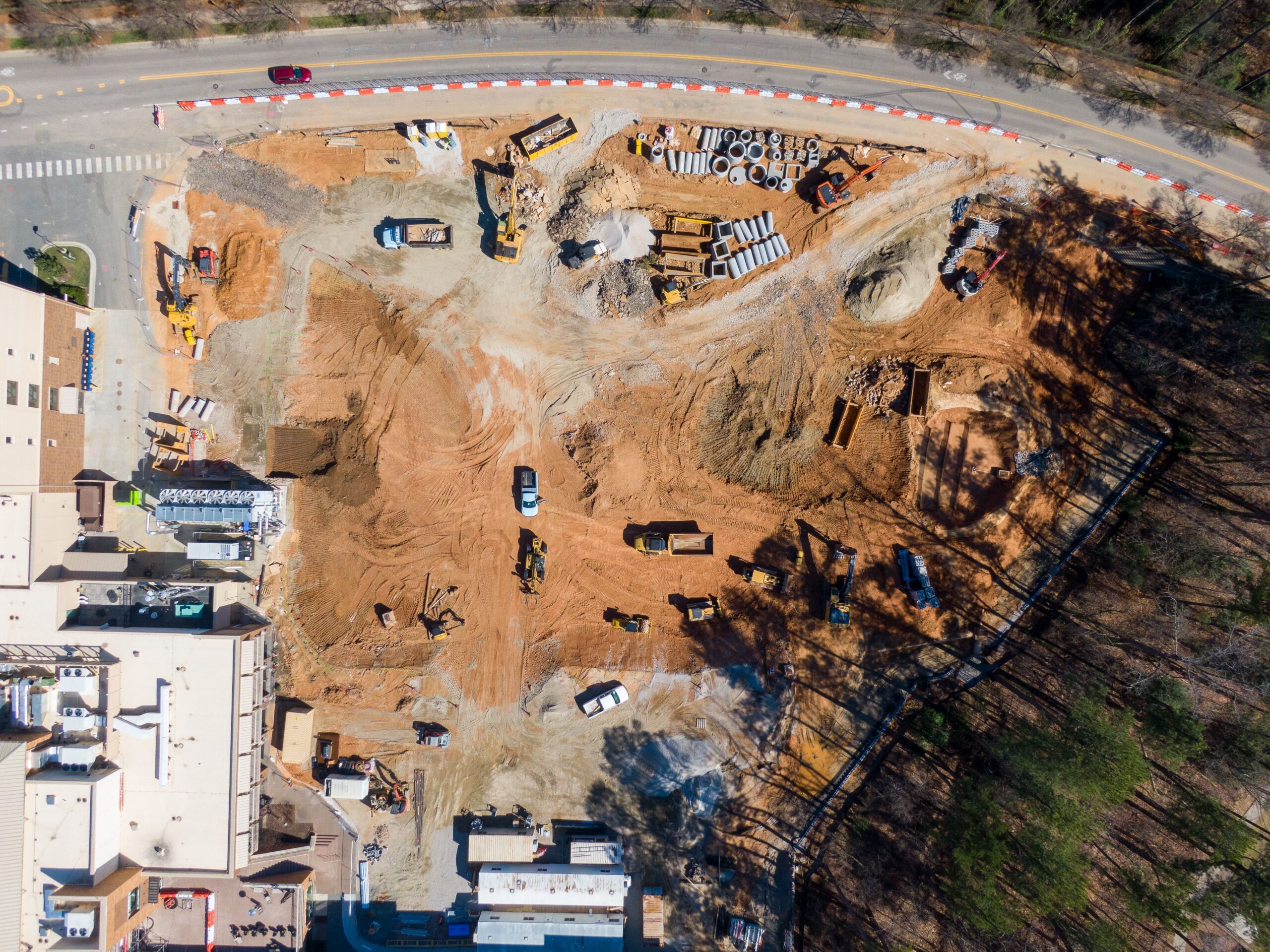
Excavation is essential for many municipal construction projects, from installing underground utilities to preparing land for new public facilities. However, digging is only one part of the process. Successful excavation also requires careful planning, experienced crews, specialized equipment, and coordination with existing infrastructure.
Understanding which projects require excavation and what to look for in a contractor can help municipalities prepare for upcoming infrastructure improvements.
How Municipal Construction Differs From Residential Construction
Although residential and municipal projects may use similar excavation equipment and techniques, their scope and requirements can differ significantly. Unlike smaller projects on private property, municipal excavation often occurs around active utility systems and facilities that communities depend on daily. Public infrastructure projects often involve larger systems, multiple stakeholders, and more complicated site conditions.
Some of the biggest differences include:
- Project Scope and Complexity: Residential excavation typically supports improvements to an individual property, such as utility connections or foundation preparation. Municipal projects may involve extensive underground networks, multiple installation locations, and several construction phases.
- Existing Underground Infrastructure: Municipal excavation often takes place near active water mains, sanitary sewer lines, stormwater systems, and other buried utilities. Contractors must identify these systems and take precautions to avoid damaging them.
- Safety Requirements: Excavation poses hazards from soil conditions, trench stability, heavy equipment, and nearby infrastructure. Municipal projects may require additional planning to protect workers and the surrounding community.
- Regulatory Requirements: Public infrastructure work must follow applicable engineering specifications, permits, inspections, and safety regulations. Contractors need to understand these requirements before and during excavation.
- Project Coordination: Municipal work often involves engineers, public works departments, inspectors, utility providers, and other contractors. Keeping everyone informed helps prevent scheduling conflicts and unnecessary delays.
- Long-Term Infrastructure Needs: Public utility systems are expected to serve communities for years. Proper excavation, installation, and restoration help keep them performing reliably.
These differences make experience with public infrastructure particularly valuable when selecting an excavation contractor.
Municipal Construction Projects That Require Excavation
Many public infrastructure improvements require excavation. While methods and equipment vary, the goal is generally to safely access underground areas or prepare the site for new construction.
Water Main Installation and Replacement
Water mains deliver water throughout municipal distribution systems. Over time, aging pipes may need replacement, while new developments and infrastructure improvements may require additional water lines.
Excavation lets crews reach the required depths to install new piping or access existing mains. Depending on the project, this work can involve trench excavation, removing deteriorated pipe sections, installing replacement materials, and connecting the new infrastructure to the existing system.
Working around active water infrastructure requires careful coordination. Contractors must consider nearby utilities, excavation conditions, and any service interruptions needed to complete the work.
Sanitary Sewer Installation and Repair
Sanitary sewer systems transport wastewater through underground piping. Municipalities often require excavation to install new sewer lines, replace deteriorated sections, or address infrastructure that cannot be repaired without direct access.
The depth and location of sewer piping can make these projects particularly challenging. Crews must excavate to the required elevation while accounting for surrounding soil conditions and nearby utilities.
Although trenchless technology can reduce excavation for certain sewer repairs, traditional excavation remains necessary for many installations, replacements, and projects that require access to specific pipe sections.
Stormwater Drainage System Installation
Stormwater infrastructure helps municipalities collect and direct runoff from developed areas. Installing or replacing these systems often requires excavation for underground piping, catch basins, manholes, and other drainage structures.
Work must follow the elevations and slopes in the project plans so water can move through the system as intended.
Excavation is also necessary when existing drainage infrastructure needs to be removed or replaced. Contractors may need to expose deteriorated pipes, prepare the area for new structures, and restore the surrounding ground once installation is complete.
Underground Utility Infrastructure Improvements
Municipalities regularly undertake projects to improve, relocate, or expand underground utility infrastructure. These improvements may be necessary to accommodate new facilities, replace aging systems, or address changes in service needs.
Excavation provides access to the underground areas where these improvements take place. Before digging begins, crews must identify existing utilities so they can plan work around them.
Because several utility systems may occupy the same area, the process requires coordination with utility owners and other project participants.
Municipal Site Development
When municipalities construct new public buildings, parking lots, maintenance facilities, or other community improvements, excavation is often part of the initial site development process.
Before construction can proceed, crews may need to remove unsuitable material, adjust elevations, and prepare areas for underground utilities and drainage infrastructure.
Excavation works alongside other site development activities, including grading, backfilling, and compaction. Together, these services establish the conditions needed for future construction and surface improvements.
Manhole and Catch Basin Installation or Replacement
Manholes and catch basins are important components of sanitary sewer and stormwater systems. Manholes provide access to underground infrastructure, while catch basins collect surface runoff and direct it into drainage piping.
Installing or replacing these structures generally requires excavation to the specified depth and dimensions. Crews prepare the area, position the structure, connect the necessary piping, and backfill around the installation.
For existing structures, excavation may also be required to remove damaged components and accommodate replacements. Proper installation helps maintain access for future inspections and maintenance.
Emergency Underground Utility Repairs
Not every excavation project can be planned months in advance. Water main breaks, sewer failures, and other underground infrastructure emergencies can require immediate attention.
In these situations, excavation lets crews expose the affected utility and determine what repairs are needed. Work may involve locating the damaged section, establishing a safe excavation area, removing surrounding material, and providing access for repairs or replacement.
Emergency projects can be particularly demanding because contractors must respond quickly while still accounting for trench safety, nearby utilities, and surrounding infrastructure.
An experienced excavation contractor can help municipalities address urgent infrastructure problems as they arise.
What to Look for in a Municipal Construction Company
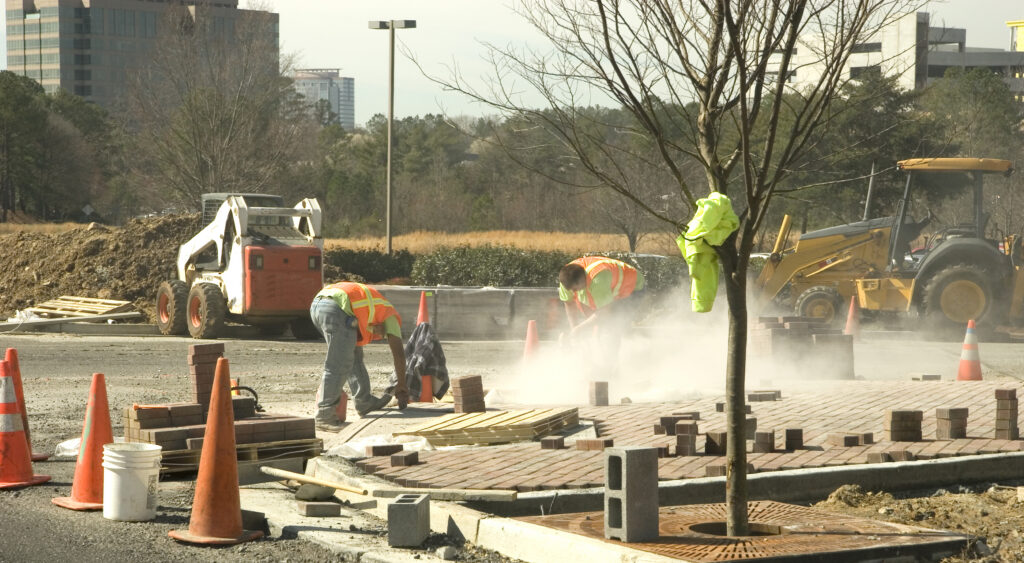
Choosing an excavation contractor involves more than comparing equipment or project costs. Municipalities need a company that understands public infrastructure and can complete excavation work safely, efficiently, and according to project requirements.
Consider several qualifications before selecting a contractor.
Experience With Municipal Infrastructure
A contractor’s previous work can provide valuable insight into their ability to handle similar projects.
Municipalities should look for experience with water mains, sanitary sewer systems, stormwater infrastructure, underground utilities, and site development. Familiarity with these systems helps crews understand the conditions and challenges they may encounter during excavation.
Proper Equipment and Skilled Crews
Different excavation projects require different equipment and operating techniques. A large utility installation may have very different requirements from a confined excavation around an existing drainage structure.
Contractors should have access to equipment appropriate for the work and crews experienced in operating it. Skilled operators can navigate challenging site conditions while maintaining the elevations and excavation dimensions required by the plans.
Strong Safety Practices
Excavation safety should be a priority on every project, especially when crews work around active underground infrastructure.
A qualified contractor should understand trench protection requirements, soil conditions, utility identification, and safe equipment operation. Appropriate protective systems, inspections, and work procedures help reduce excavation hazards.
Municipalities should also consider how a contractor plans to protect nearby facilities and infrastructure throughout construction.
Knowledge of Local Regulations
Public infrastructure projects must meet applicable municipal specifications, engineering requirements, and regulations.
Contractors familiar with these requirements can better coordinate inspections, follow approved plans, and address documentation or compliance needs throughout the project.
This experience is particularly helpful when multiple parties review and oversee the work.
Ability to Handle Multiple Construction Services
Excavation is rarely the only service required for a municipal infrastructure project. Once the ground is opened, additional work may include pipe installation, drainage improvements, backfilling, compaction, grading, and site restoration.
Working with a contractor that offers several related services can simplify coordination between construction phases.
Rather than treating excavation as a separate task, the contractor can plan it around the installation and restoration work that follows.
Reliable Communication and Project Coordination
Clear communication helps keep municipal projects organized, especially when unexpected underground conditions arise.
Contractors should be prepared to coordinate with municipal representatives, engineers, inspectors, utility providers, and other involved parties.
Regular communication about progress, scheduling, and site conditions allows municipalities to make informed decisions throughout construction.
Experienced Municipal Construction Professionals
At Montana Construction, we bring extensive heavy civil construction experience to municipal projects involving underground utilities, water and sewer infrastructure, stormwater systems, and site development.
From planned installations to emergency repairs, our team provides excavation and related services, including grading, backfilling, and site restoration. We understand the complexities of working around existing infrastructure and are committed to completing every project safely, efficiently, and according to specifications.
Does your municipality have an upcoming construction project? Our team can deliver the services you need. Contact us today!

Municipal Construction Excavation FAQs
What types of municipal projects require excavation?
Excavation is commonly required for water main installation and replacement, sanitary sewer work, stormwater drainage systems, underground utility improvements, site development, and emergency repairs.
How does municipal excavation differ from residential excavation?
Municipal excavation often involves larger infrastructure systems, more extensive coordination, stricter project specifications, and work around existing public utilities.
Is excavation always necessary for sewer repairs?
Not always. Trenchless technology can complete certain sewer repairs, but excavation remains necessary for many installations, replacements, and repairs that require direct access.
Why is underground utility identification important before excavation?
Identifying existing utilities helps contractors plan excavation activities and reduce the risk of damaging active infrastructure during construction.
What safety considerations are important during excavation?
Important considerations include soil conditions, trench stability, protective systems, underground utilities, heavy equipment operation, and worker safety.
Can one contractor handle excavation and utility installation?
Yes. Contractors experienced in multiple civil construction services can coordinate excavation, utility installation, backfilling, grading, and restoration as part of the same project.
When might a municipality need emergency excavation services?
A municipality may need emergency excavation after a water main break, sewer failure, or other underground infrastructure problem that requires immediate access for repairs.