
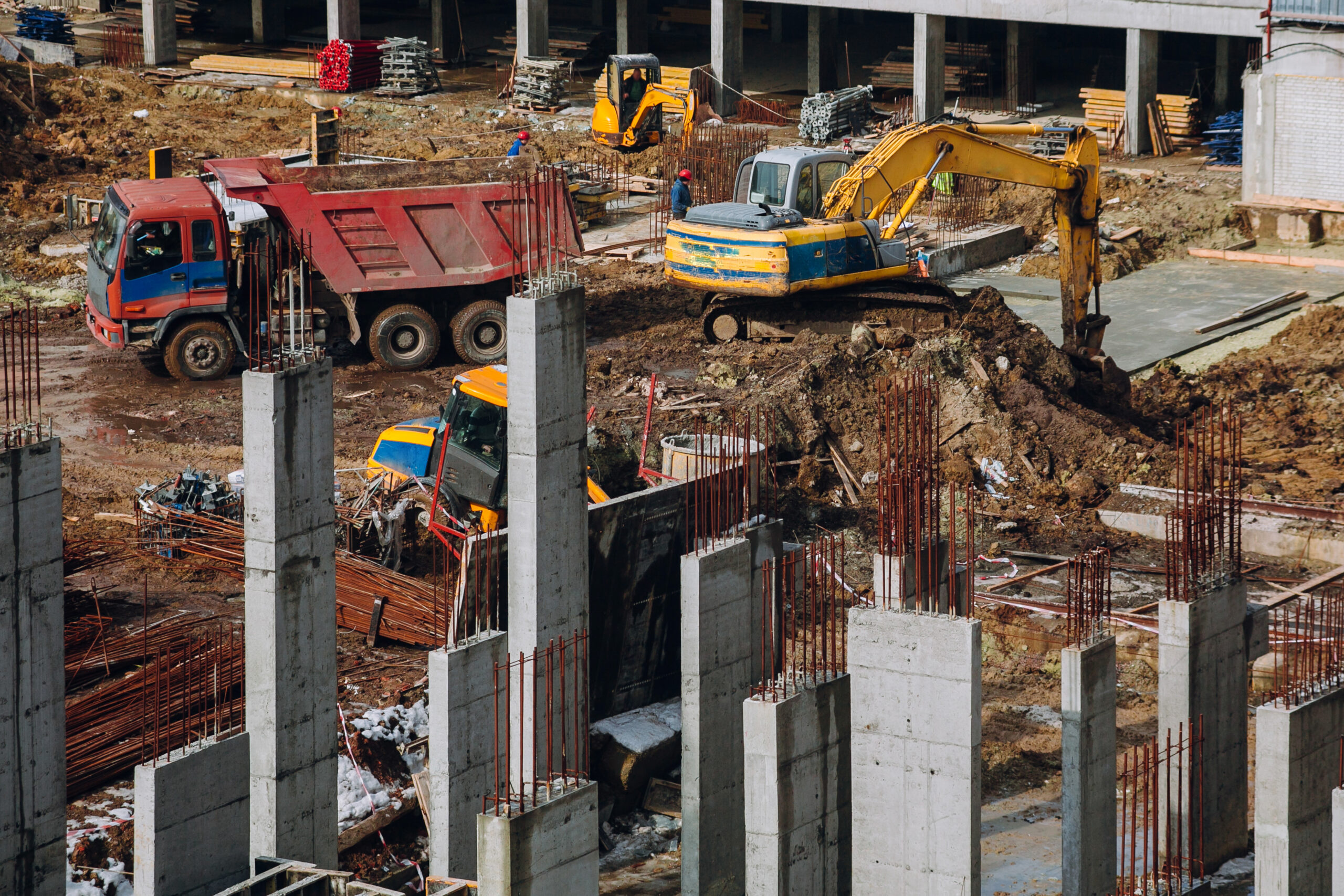
Civil construction projects involve various tasks and components, from coordinating crews and equipment to managing schedules, budgets, and inspections. When multiple construction phases depend on one another, even a small delay can affect the work that follows. Effective civil construction management helps municipalities keep infrastructure projects organized, address challenges as they arise, and maintain progress from the initial planning stages through completion.
What Is Civil Construction Management?
Civil construction management is the process of planning, coordinating, and overseeing the activities needed to complete infrastructure projects. It connects field work with the schedules, budgets, engineering requirements, and decisions that guide the project.
For municipalities, this oversight is especially important when construction involves existing underground utilities, public facilities, or infrastructure that must remain operational during the work.
The responsibilities involved in managing a civil construction project generally include:
- Project Planning: Reviewing engineering drawings, specifications, and site conditions to understand the required work and develop a plan to complete it.
- Scheduling: Organizing construction activities in the proper order and coordinating the timing of crews, equipment, materials, and inspections.
- Budget Management: Tracking labor, equipment, materials, and other project expenses while identifying cost-affecting changes.
- Resource Coordination: Ensuring the right personnel, equipment, and materials are available when each phase begins.
- Safety and Compliance: Overseeing safe work practices and ensuring construction follows applicable regulations and project requirements.
- Communication: Keeping municipal representatives, engineers, inspectors, subcontractors, and other stakeholders informed.
- Quality Control: Monitoring construction activities to verify that completed work meets engineering plans and specifications.
These responsibilities continue throughout construction and require regular oversight and adjustments as the project progresses.
Why is Civil Construction Management Important?
Municipal infrastructure projects often involve several interconnected activities. Excavation may need to be completed before installing underground utilities, while backfilling and grading depend on that utility work being completed. A delay or unexpected issue during one phase can affect everything scheduled afterward.
Proper construction management helps municipalities address these challenges while maintaining control over the project.
Some of the most important benefits include:
- Fewer Avoidable Delays: Coordinating construction activities helps prevent scheduling conflicts, equipment downtime, and interruptions caused by missing materials or incomplete work.
- Better Budget Control: Monitoring expenses and identifying potential changes early lets project teams make informed decisions before costs rise.
- Improved Jobsite Safety: Consistent oversight reinforces safe work practices, particularly during excavation, underground utility installation, and heavy equipment operation.
- Consistent Construction Quality: Regular inspections and quality checks help identify issues before they affect subsequent phases.
- Reduced Disruptions: Careful planning helps contractors work around existing infrastructure and minimize unnecessary interruptions to surrounding facilities.
- Clearer Communication: Regular updates keep everyone informed about progress, upcoming activities, and decisions that need attention.
For municipalities that manage public funds and maintain essential infrastructure, these benefits help a project run more smoothly.
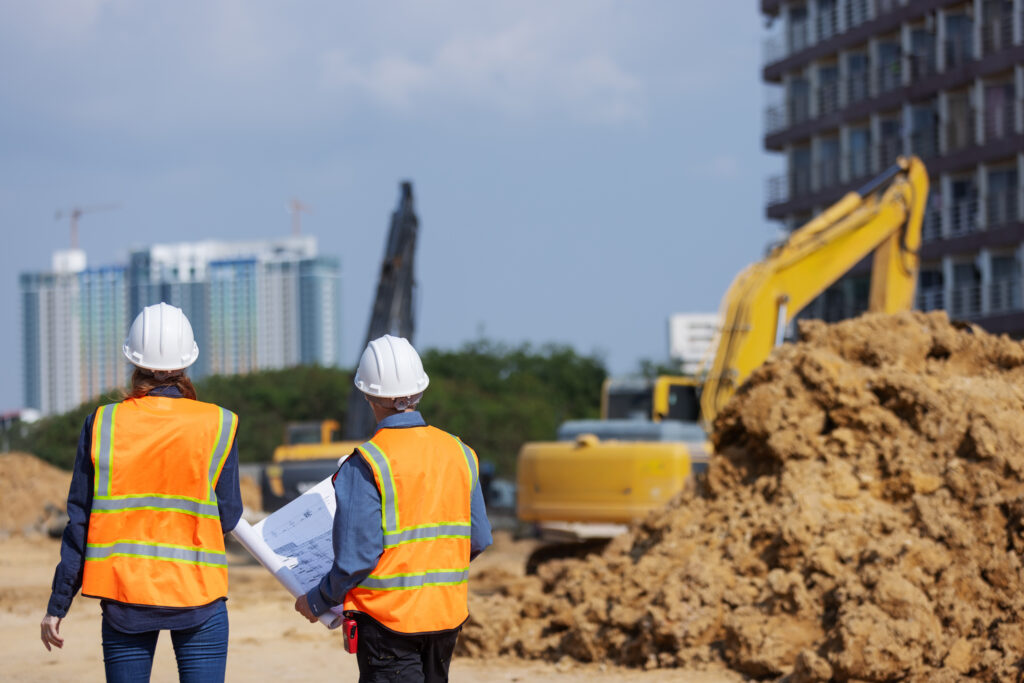
9 Steps to Keep a Construction Project on Track
Successful civil construction management requires ongoing attention to scheduling, resources, safety, and quality. While every project has different requirements, several practices help contractors maintain progress and respond to changing conditions.
1. Establish a Clear Project Scope
Before construction begins, everyone involved should understand what the project includes and what needs to be accomplished.
Contractors review engineering drawings, specifications, existing site conditions, and other project documents to determine the work required. This process also helps identify responsibilities, construction limits, and potential challenges.
A clearly defined scope gives the project team a shared understanding of expectations and helps to avoid any confusion when construction begins.
2. Develop a Realistic Construction Schedule
A construction schedule should account for more than the anticipated duration of each activity. It should also reflect how different phases depend on one another.
For example, underground utility installation generally follows excavation, while backfilling and grading take place after the required underground work is complete.
Contractors must also consider material delivery times, equipment availability, inspections, and weather conditions. Establishing milestones makes it easier to monitor progress and identify when adjustments may be necessary.
Schedules should be updated when site conditions or project requirements change. Regularly reviewing them helps keep upcoming activities aligned with actual progress.
3. Coordinate Crews, Equipment, and Materials
Having the right resources available at the right time is essential to maintain productivity.
Before each construction phase, project managers must confirm that the required crews, equipment, and materials are ready. Schedule specialized equipment or subcontractors in advance, especially when multiple operations occur within a limited work area.
Poor coordination can leave crews waiting for deliveries or unavailable equipment. Planning resource needs ahead of time helps avoid unnecessary downtime and keeps work moving.
4. Identify Potential Challenges Early
Even with detailed engineering plans, unexpected conditions can arise once construction begins.
Existing underground utilities, unsuitable soil, limited access, and other site conditions may require adjustments to the original approach.
Contractors can reduce uncertainty by reviewing available utility information, coordinating utility locating, evaluating access requirements, and identifying potential conflicts before excavation.
When unexpected conditions arise, timely communication with engineers and municipal representatives helps determine the right steps to prevent the issue from affecting other parts of the project.
5. Maintain Strong Jobsite Safety Practices
Safety is an ongoing responsibility that requires attention throughout construction.
Different activities introduce different hazards. Excavation requires consideration of soil conditions and trench protection, while underground utility work may involve operating equipment near existing infrastructure.
Effective safety management includes appropriate work procedures, regular inspections, equipment checks, and clear communication with crews.
Promptly addressing hazards helps protect workers and surrounding infrastructure while reducing the likelihood of preventable interruptions.
6. Monitor Progress and Project Costs
Once construction is underway, project managers need to compare actual progress with the established schedule and budget.
This involves tracking completed work, reviewing labor and equipment usage, monitoring material expenses, and documenting changes.
If an activity takes longer than anticipated or additional work becomes necessary, the project team can evaluate how it may affect upcoming phases.
Regular monitoring also helps municipalities understand the project’s status and whether adjustments are needed to maintain progress.
7. Consistent Communication
Civil construction projects often involve multiple organizations and individuals, each responsible for different aspects of the work.
Municipal representatives, engineers, inspectors, utility providers, subcontractors, and field crews need accurate information to coordinate their responsibilities.
Regular progress updates help everyone understand what’s been completed, what’s next, and whether any issues need attention.
Communication becomes especially important when unexpected site conditions arise, or changes need approval. Promptly addressing questions helps prevent delays while decisions are pending.
8. Maintain Quality Control Throughout Construction
Quality control shouldn’t be limited to a final inspection. Work needs to be reviewed as construction progresses, particularly when completed activities will eventually be covered by subsequent improvements.
For example, excavation depths, utility placement, backfilling, and grading may need to be checked before the next phase begins.
Contractors must also coordinate required inspections and testing to confirm that work meets project specifications.
Identifying deficiencies early lets crews address them before additional construction makes corrections harder or more costly.
9. Complete Final Inspections and Project Closeout
Finishing the physical construction work doesn’t necessarily mean the project is complete.
The team may still need to address final inspections, outstanding corrections, documentation, and required approvals.
During closeout, the project team reviews completed work, resolves remaining items, and provides the documentation the municipality requires.
Proper closeout helps confirm that contractual requirements have been satisfied and allows the municipality to transition the completed infrastructure into operation and maintenance.
Keep Your Project Moving With Montana Construction
At Montana Construction, we understand the coordination and oversight required to complete municipal infrastructure projects. Our heavy civil construction experience includes excavation, underground utilities, water and sewer infrastructure, stormwater systems, and site development.
We manage and coordinate multiple phases of construction, helping maintain continuity between activities while keeping safety, quality, and project specifications at the forefront. Our team understands the challenges of working around existing infrastructure and the importance of communicating with everyone involved.
Whether we’re installing new utilities, upgrading existing systems, or preparing a site for future improvements, we approach each project with careful planning and dependable execution. Contact Montana Construction to discuss your upcoming civil construction project and learn how we can keep it on track.

Civil Construction Management FAQs
What is civil construction management?
Civil construction management involves planning, coordinating, and overseeing construction activities to help projects meet their schedules, budgets, safety requirements, and specifications.
Why is construction management important for municipal projects?
It helps municipalities coordinate multiple construction phases, monitor costs, maintain quality, and address challenges that could affect essential infrastructure improvements.
How does construction scheduling help prevent delays?
Scheduling establishes the right sequence of activities and helps ensure crews, equipment, materials, and inspections align with the planned work.
What can cause delays during civil construction?
Unexpected underground utilities, unsuitable soil, material shortages, equipment availability, weather, and changes to project requirements can affect construction schedules.
How are project costs monitored during construction?
Project managers track labor, equipment, materials, completed work, and changes that may affect the established budget.
Why is quality control important throughout construction?
Regular quality checks help identify deficiencies before subsequent construction phases make them harder to correct.
What happens during construction project closeout?
Closeout typically involves final inspections, correcting outstanding items, completing required documentation, and obtaining necessary approvals.