
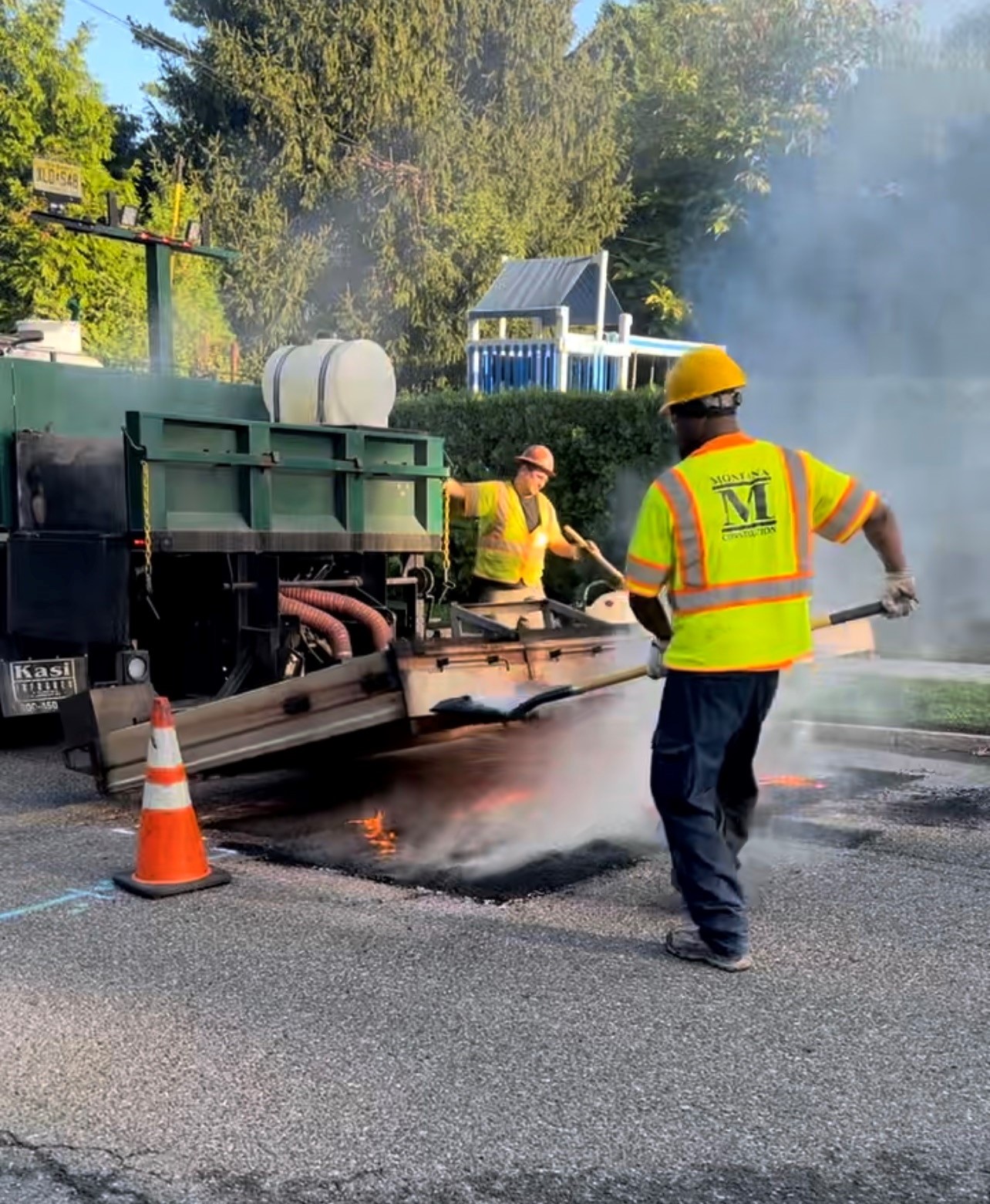
Asphalt surfaces experience constant wear from traffic, weather, and aging, which places significant stress on pavement, making timely repairs essential to long-term performance. When deterioration begins, timely asphalt repairs are essential to maintaining safety, minimizing disruptions, and extending the life of roadway infrastructure.
Why Asphalt Repairs Are Critical
Asphalt roadways, parking lots, and driveways are often subject to heavy commercial vehicles, continuous traffic flow, and temperature extremes, which accelerate surface wear. Left unaddressed, small defects can grow into larger structural problems that require extensive reconstruction.
Routine asphalt repairs are used to address common issues such as surface cracking, potholes, joint separation, and utility cut deterioration. Performing repairs early helps prevent water infiltration, reduces the risk of accidents, and limits the need for full-depth pavement replacement. For the agencies responsible, selecting the right asphalt repair method is key to balancing performance, cost, and traffic management. One method gaining widespread adoption is infrared asphalt repair, a modern, efficient approach that quickly and durably addresses surface issues.
What Is Infrared Asphalt Repair?
Infrared asphalt repair is a pavement maintenance technique that uses infrared heat to soften existing asphalt without burning or damaging it. The heat penetrates the pavement surface, allowing crews to rework the material rather than remove and replace it entirely.
How Infrared Repair Works
Infrared asphalt repair follows a controlled process that minimizes waste and reduces downtime for roadway users.
The typical process includes:
- Heating the area to be repaired: Infrared heaters warm the damaged section evenly, allowing the asphalt to reach a workable temperature without overheating.
- Reworking the softened asphalt: Crews rake and level the material to correct depressions, cracks, and surface irregularities.
- Adding new asphalt if needed: Fresh material is introduced where additional volume or reinforcement is required.
- Compacting and sealing: The repaired section is compacted to ensure strength and finished with a tight, seamless surface.
This approach allows repairs to be completed quickly, often reopening lanes within hours rather than days. Because the original asphalt is reused, infrared repair is both efficient and environmentally responsible, making it an ideal solution for high-traffic environments.
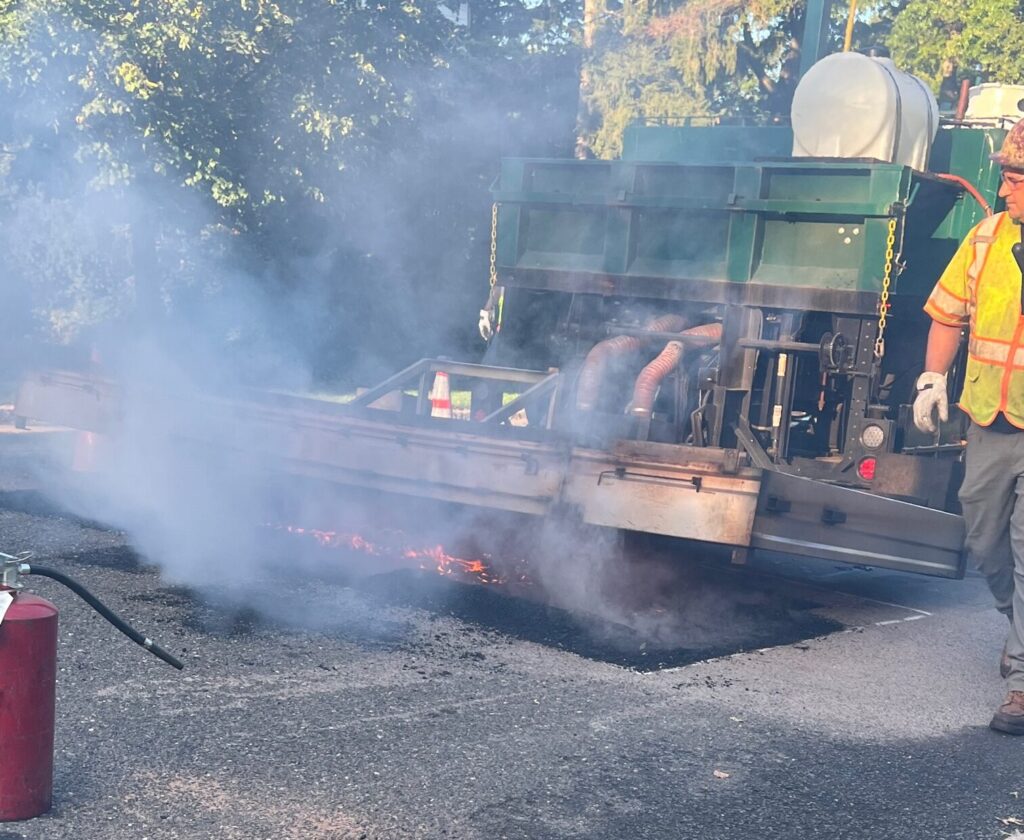
Asphalt Repairs: Why Infrared Makes Sense
Infrared technology offers several advantages that make it especially effective for asphalt maintenance. For agencies and businesses managing high-traffic corridors, these benefits directly support safety and efficiency goals.
The key advantages include:
- Seamless pavement bonding: Infrared repairs fuse with existing asphalt, eliminating cold joints that often lead to premature failure.
- Reduced lane closures: Faster repair times help minimize traffic disruptions and congestion.
- Longer-lasting results: Repairs address the full depth of surface damage and outperform traditional patching methods.
- Material efficiency: Reusing existing asphalt reduces waste and material costs.
- Improved worker and motorist safety: Shorter work zones and quicker reopenings reduce exposure risks.
- Cost-effective maintenance: budgets benefit from lower labor, material, and restoration costs.
When Infrared Asphalt Repair Is the Best Solution
While not intended for full roadway reconstruction, infrared asphalt repair is ideal for a wide range of asphalt maintenance needs.
It is most effective for:
- Potholes and localized surface failures
- Joint and seam deterioration
- Utility cut restoration
- Wheel rutting and surface depressions
- Preventive maintenance programs
- Night or off-peak asphalt repairs
By targeting problem areas early, pavement life is extended, and the frequency of major rehabilitation projects is reduced.
Infrared Asphalt Repairs and Maintenance
Infrared asphalt repairs are most effective when they are part of a broader pavement management strategy. Regular inspections identify early-stage surface damage, allowing repairs to be scheduled before deterioration accelerates.
Using infrared methods alongside traditional milling and resurfacing addresses small defects efficiently while reserving major reconstruction for sections that truly require it. This layered approach supports long-term roadway performance and responsible infrastructure investment.
Infrared Asphalt Repairs Experts
At Montana Construction, we have extensive experience in roadway infrastructure projects, from repairs to construction. Our team understands the pressures agencies and businesses face: tight schedules, limited budgets, and the need to keep traffic moving safely.
We specialize in asphalt repairs using advanced infrared technology, allowing us to deliver durable, seamless results with minimal disruption. Our approach focuses on efficiency, safety, and quality workmanship, whether we’re addressing isolated pavement failures or supporting ongoing asphalt maintenance programs.
To learn more about our infrared asphalt repair services or to discuss an upcoming project, visit montanaconstructioninc.com or contact us today.

Asphalt Repairs FAQs
When are infrared asphalt repairs an appropriate solution?
They address surface defects such as potholes, cracks, joint failures, and utility-cut deterioration.
How does infrared asphalt repair differ from traditional patching?
Infrared repair reheats and reuses existing asphalt, creating a seamless bond rather than a cold patch.
Is infrared asphalt repair suitable for high-traffic areas?
Yes. Its fast turnaround and durable results make it ideal for busy roadways.
How long do infrared asphalt repairs last?
When properly installed, they last significantly longer than conventional patches.
Does infrared repair reduce lane closure time?
Yes. Repairs are completed quickly, allowing lanes to reopen faster.
Can infrared asphalt repair be used year-round?
It is most effective in moderate weather but can be used in a wide range of conditions with proper planning.
Why choose Montana Construction for asphalt repairs?
We combine proven experience with advanced infrared technology to deliver reliable, cost-effective results.